Reflections from the Global Action Week for Education 2026 in Songwe
By Jenipher Lembe, – May 17, 2026.
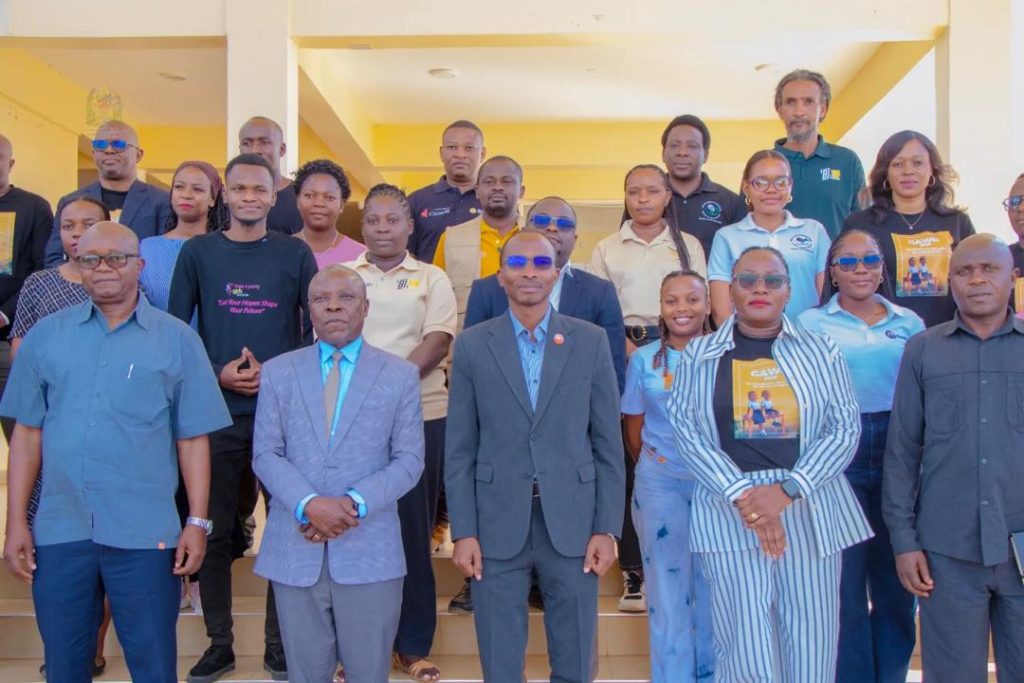
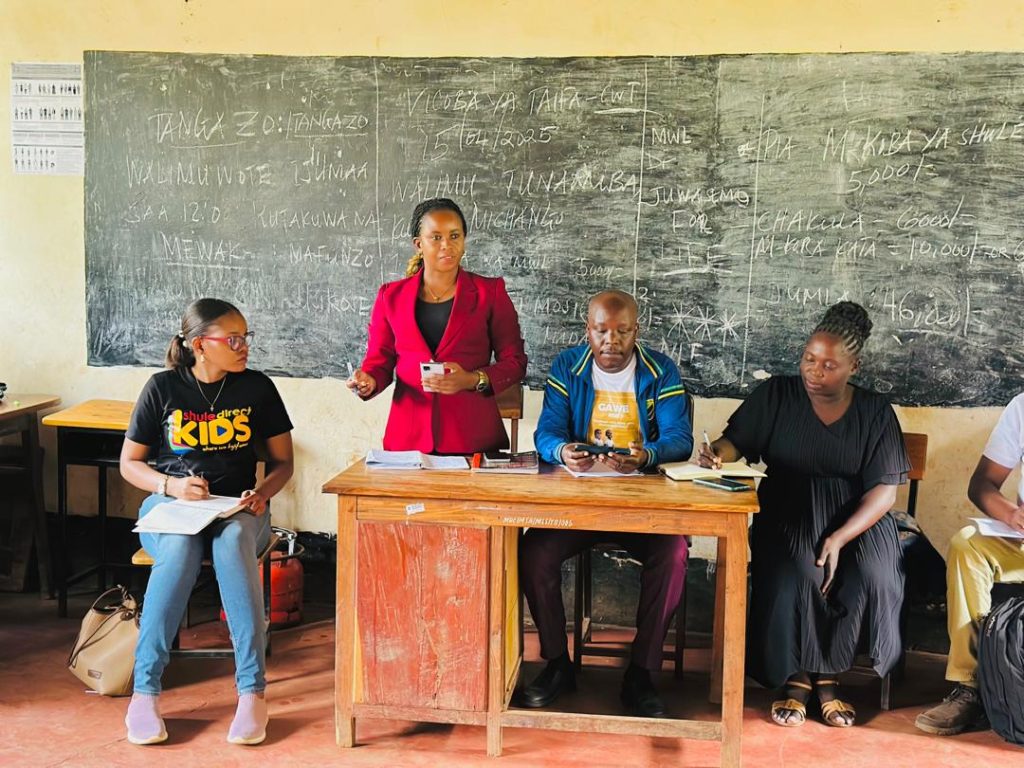
In Songwe Region, the Global Action Week for Education 2026 moved the conversation on education from policy statements into real classrooms, real communities, and real learner experiences. Under the theme “Domestic Resource Mobilization for Equitable, Quality and Inclusive Education,” the week created an important moment for reflection on what equity truly means when learners are eager to learn, but the systems around them still struggle with limited infrastructure, inadequate learning resources, poor connectivity, teacher shortages, and unequal access to opportunity. For Shule Direct, the experience was not simply about participating in a national commemoration; it was about listening closely, observing honestly, and confronting the realities that continue to shape education for many children in underserved communities.
The Global Action week of Education in Songwe became a powerful reminder that education inequality is not always loud. Sometimes it is seen in a school without a computer laboratory, in a classroom without enough learning materials, in a learner who wants to ask a question but does not feel confident enough to speak, or in a teacher who continues to serve with dedication despite limited support. It is seen in the gap between the promise of quality education and the daily conditions under which many children are expected to learn. Yet, within these same spaces, there was also hope. There were learners with curiosity, teachers with commitment, parents who value education, and communities that understand that learning remains one of the strongest pathways to a better future.
The decision to hold the 2026 commemoration of GAWE in Songwe Region was significant because it placed national attention on communities where the need for equitable, inclusive, and quality education is urgent. It reminded stakeholders that domestic resource mobilization must not remain an abstract policy phrase. It must translate into classrooms that are safe and well-equipped, teachers who are supported, learners who are protected, and schools that have access to the tools required for modern learning. If education financing does not reach the communities facing the deepest gaps, then equity remains incomplete.
Throughout the engagements, learner’s experiences revealed both the promise and the pressure within the education system. Many learners showed excitement when introduced to digital learning opportunities. Their curiosity confirmed that children are ready to learn when opportunities are brought closer to them. However, their experiences also revealed deeper concerns. Some learners were hesitant to express themselves freely, especially in the presence of adults and school leadership. That silence was important. It reminded us that quality education is not only measured by access to content or examination performance, but also by whether children feel safe, confident, respected, and heard.
A child who cannot speak freely may struggle to ask for help. A child who learns in fear may struggle to participate. A child who lacks access to learning resources may slowly begin to believe that opportunity belongs elsewhere. This is why inclusive education must go beyond enrollment. It must create environments where learners are protected, encouraged, and supported to develop academically, emotionally, socially, and creatively. The continued normalization of corporal punishment in some communities also reinforced the need for stronger child protection awareness, positive discipline, and safe learning environments. Education cannot transform lives if the spaces meant for learning also create fear.
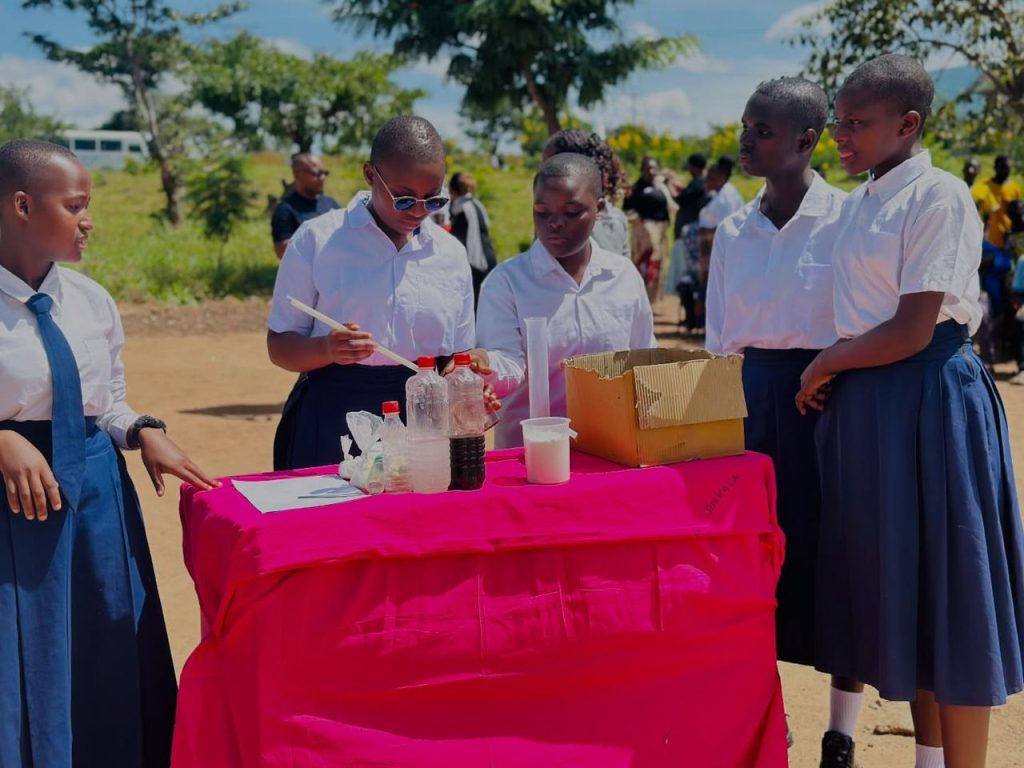
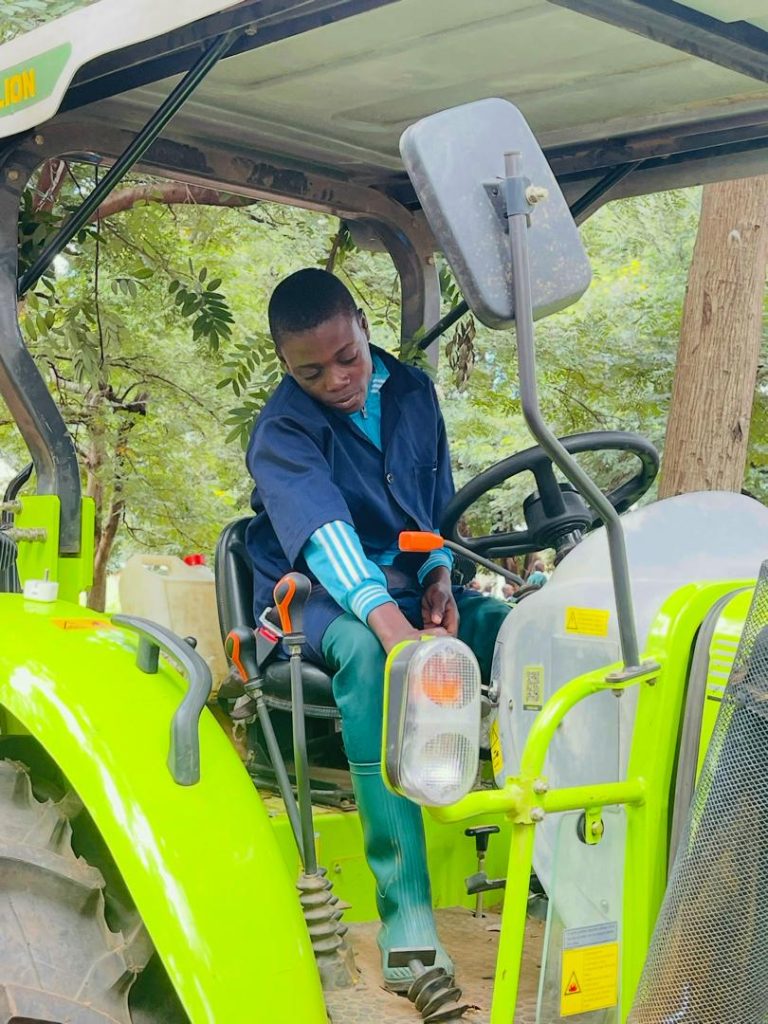
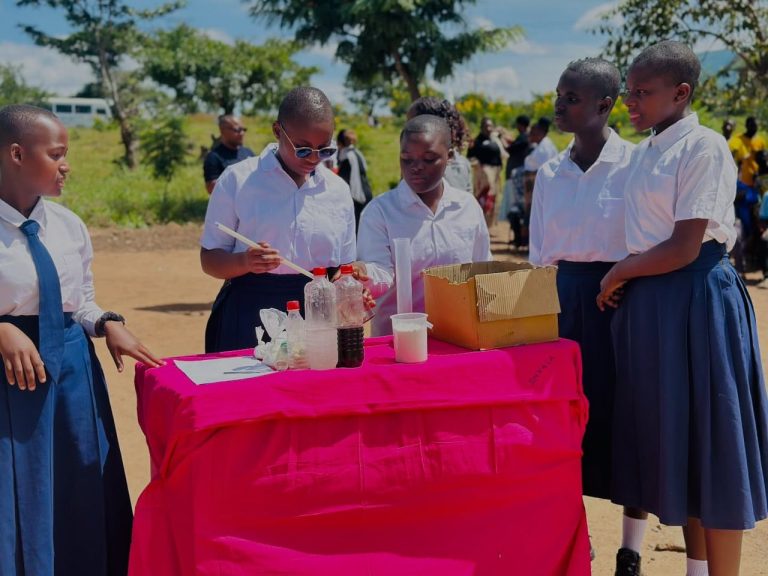
One of the moments that stood out strongly during the Global Action Week for Education was witnessing Elimu ya Amali at Msangano Secondary School. It was a powerful reminder that education is not only about what learners read in books, but also about what they can create, practice, solve, and apply in real life. At Msangano, learners demonstrated creativity, confidence, and practical skills that reflected the spirit of competency-based education. Their work showed that when learners are given opportunities to engage in practical learning, they begin to see education as something connected to their future, their communities, and their ability to become self-reliant.
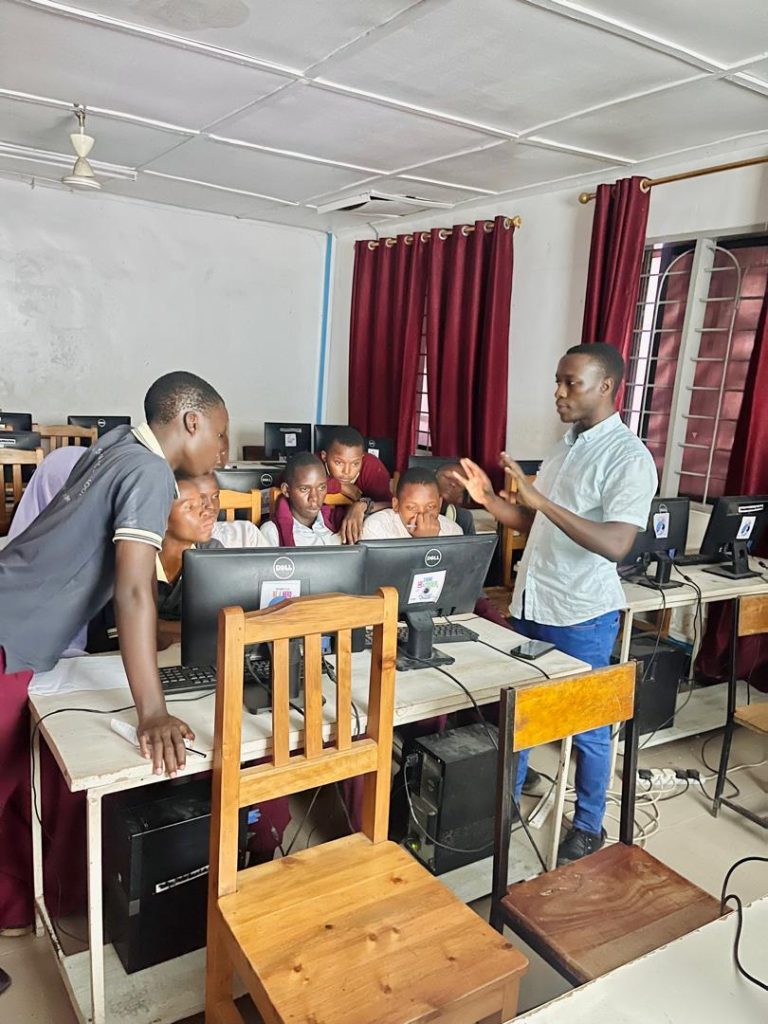
The experience at Msangano Secondary School also revealed the gap between ambition and resources. While learners showed great potential, the school still faced limitations such as inadequate vocational training equipment, limited ICT facilities, insufficient learning materials, shortage of specialized teachers, and limited practical learning spaces. This made the lesson even clearer: Elimu ya Amali cannot thrive on passion alone. It requires investment, partnerships, digital support, and learning tools that can strengthen practical education in underserved schools. For Shule Direct, this moment reinforced the need to develop content and platforms that support competency-based learning, practical skills, creativity, and self-reliance, so that learners in communities like Songwe can access not only academic knowledge, but also the skills needed for life and work.
The challenges observed in Songwe were clear. Many schools continue to face inadequate infrastructure, limited ICT facilities, insufficient classrooms, lack of laboratories and libraries, limited access to digital devices, unreliable electricity, and poor internet connectivity. Teacher shortages and limited teacher support also remain major barriers to quality learning. These challenges affect not only how children learn, but also how teachers teach, how schools innovate, and how communities participate in education development.
For Shule Direct, Songwe strengthened one important conviction: technology must be designed for reality, not assumption. Digital learning cannot only serve learners who already have stable internet, smartphones, computers, and supportive learning environments. If technology is to become a true equalizer, it must reach the learner in a low-connectivity area, the teacher with limited resources, the parent using a basic mobile phone, and the school that is still building its digital foundation.
This is why Shule Direct’s platforms remain central to the conversation on equitable access to education. Through curriculum-aligned digital content, learners can access quality learning materials anytime and anywhere. Teachers can access resources that support lesson preparation, classroom delivery, and professional development. Parents and communities can become more connected to the learning journey of their children. Most importantly, digital platforms can help reduce the gap between learners who have access to additional learning support and those who do not.
However, Songwe also reminded us that online platforms alone are not enough. In communities where internet connectivity is limited, solutions such as Makini SMS, offline-compatible learning systems, downloadable resources, and low-bandwidth platforms are not optional; they are essential. Makini SMS is especially important because it allows learning support to reach users through basic mobile phones. It proves that innovation does not always have to begin with the most advanced technology. Sometimes, the most powerful solution is the one that works with what communities already have.
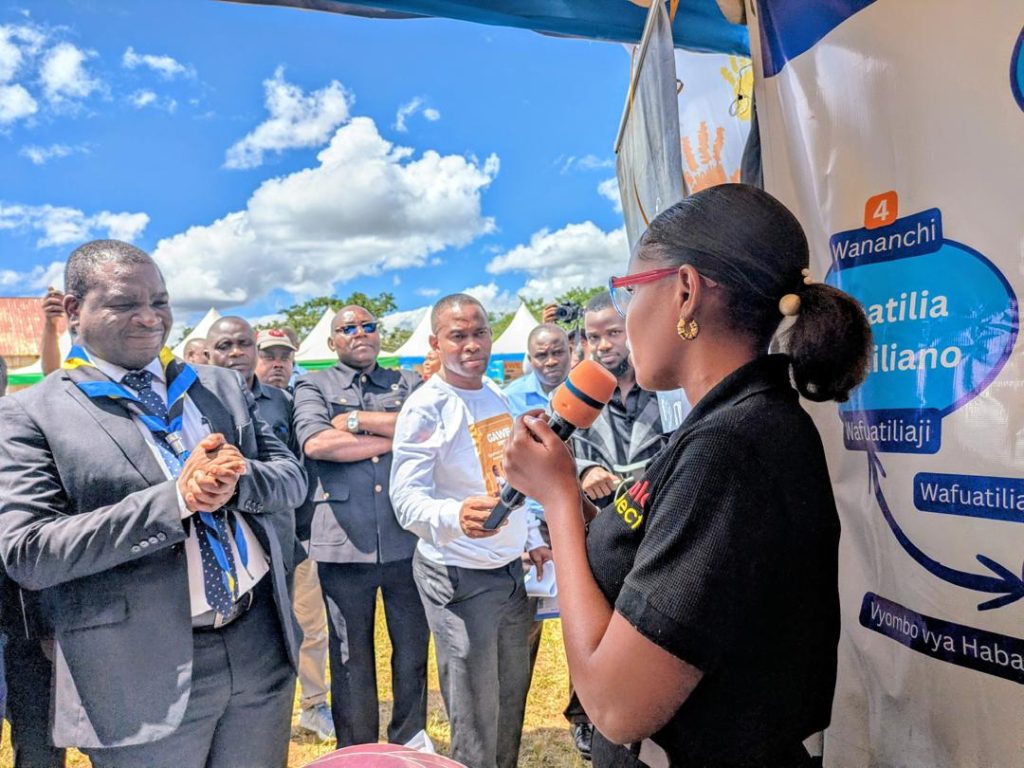
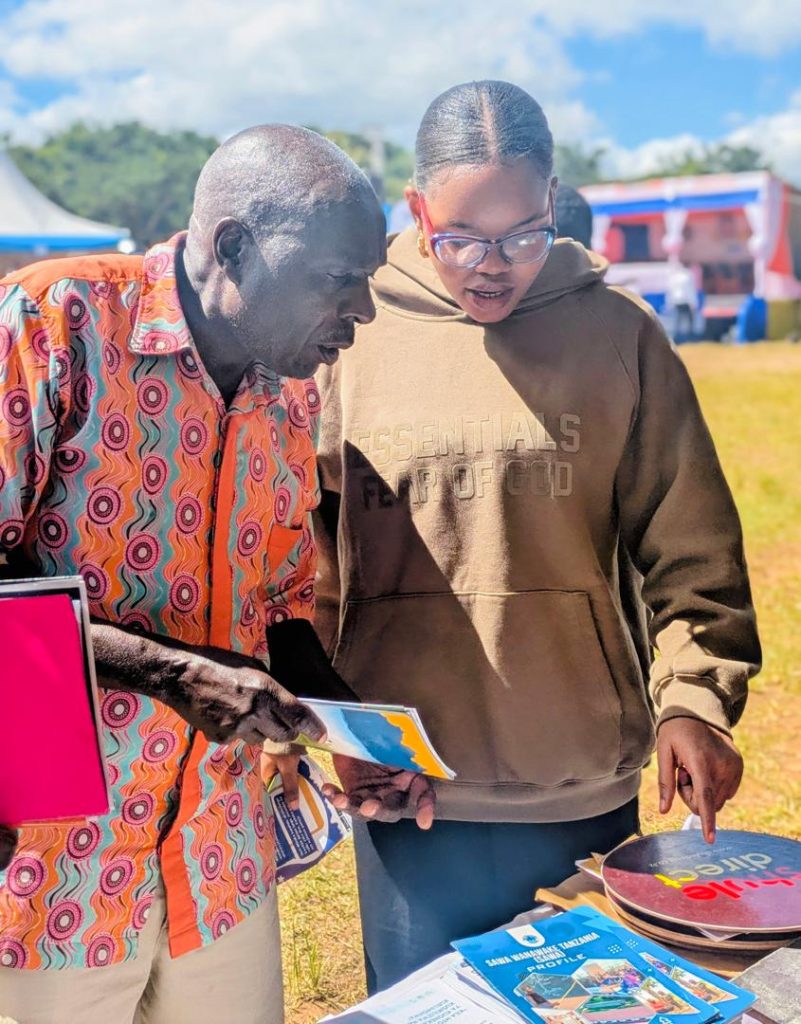
The engagement also created important visibility for Shule Direct’s work. The initial target was to register 90 users, yet more than 100 learners, teachers, and parents were registered during the engagement period. This achievement was more than a marketing number. It was evidence of interest, readiness, and trust. It showed that when communities are introduced to practical and accessible learning solutions, they respond. It also showed that awareness must be followed by continuity, because registration is only the beginning. The real impact comes when learners continue using the platforms, teachers integrate the resources into their work, and communities see digital learning as part of everyday education support.
The lessons from Songwe also point clearly toward the need for stronger partnerships. The challenges facing underserved communities cannot be solved by one organization alone. They require coordinated action from government institutions, civil society organizations, development partners, telecommunications companies, private sector actors, schools, parents, and communities. Partnerships are needed to strengthen connectivity, expand access to devices, improve ICT infrastructure, support teacher training, develop inclusive content, promote child protection, and scale offline learning solutions.
If we are serious about equitable education, then investment must follow need. If we are serious about inclusive education, then learners with different abilities, backgrounds, and circumstances must be considered from the beginning. If we are serious about quality education, then teachers must be supported, children must be protected, and learning tools must be accessible to all.
For Shule Direct, the Global Action Week for Education 2026 must not end as a report, a set of photos, or a documented field experience. The value of what was witnessed in Songwe lies in what happens next. The insights gathered must shape how we design, improve, and scale our platforms. They must influence how we think about offline access, learner safety, teacher support, inclusive content, and community-centered implementation. They must push us to build solutions that are not only innovative, but also practical, accessible, and sustainable.
Our commitment is to ensure that the realities observed in Songwe do not remain on paper. We remain committed to strengthening digital learning access, expanding Makini SMS and offline learning solutions, supporting teachers, promoting positive discipline and child protection, improving inclusive content, and working with partners to reach communities that continue to face barriers to quality education.
Songwe reminded us that advocacy is only meaningful when it leads to action. A platform is only powerful when learners can access it. A partnership is only valuable when it changes conditions on the ground. A report is only useful when its findings guide implementation.
The future of education in Tanzania will be shaped not only by policies and innovations, but by our willingness to listen to communities, respond to their realities, and invest where the need is greatest. For Shule Direct, the lesson is clear: quality education must reach every learner, not only those with internet, devices, or well-resourced schools, but also those in rural and underserved communities who continue to learn with courage, hope, and determination.
The lessons from Songwe are too important to remain in documents. They must become decisions. They must become partnerships. They must become platforms that work offline, teachers who feel supported, children who feel safe, and communities that are equipped to participate in the future of learning.
That is the responsibility we carry forward from the Global Action Week for Education 2026: to move from awareness to action, from documentation to implementation, and from promise to lasting impact.