What We Do: Core Components of the Mission
The Skills Development Mission is designed with a clear focus on the learners we serve. Our users are secondary school students who are increasingly growing up in a digital world, yet often have limited opportunities to move beyond consuming technology to actually understanding and creating it.
We recognize that for many of these learners, access to practical digital skills is not only limited but often absent from their everyday learning experience. As a result, they are at risk of completing their education without the ability to apply knowledge, solve real-world problems, or confidently navigate a technology-driven environment.
In response, we are implementing a set of interconnected components that combine technology, structured learning, and direct engagement to build practical digital skills and nurture problem-solving mindsets.
- Integrated Coding Environment
We are embedding a coding environment within our digital platform, enabling learners to write, test, and refine code in a single accessible space. This allows learners to move from simply understanding concepts to actively creating, experimenting, and building.
By reducing reliance on external tools, this approach ensures that even learners in resource-constrained environments can participate in hands-on digital learning.
- Structured and Guided Learning Content
We are developing structured coding content tailored to secondary school learners, beginning with foundational areas such as HTML and CSS. These modules introduce learners to how digital content is created and designed, while maintaining a strong link between theory and practice.
The content is designed to be progressive, accessible, and practical, ensuring that learners are continuously applying what they learn rather than passively consuming information.
- Practice-Based and Experiential Learning
At the core of the mission is the belief that learners develop skills by doing. We therefore emphasize hands-on engagement, where learners actively write code, solve guided challenges, and experiment with different solutions.
Through this process, learners begin to:
- Build confidence in their ability to create
- Develop logical and structured thinking
- Approach challenges with curiosity and problem-solving mindsets
- AI-Supported Learning
To further support learners, we are integrating artificial intelligence within the platform to provide step-by-step guidance, feedback, and prompts during coding activities. This ensures that learners are not limited by the availability of a teacher and can continue progressing independently.
- Flexible and Continuous Learning
Learners are able to access coding tools and content at any time, allowing them to learn at their own pace and continue practicing beyond structured sessions. This flexibility supports continuous learning and accommodates different learning speeds and environments.
- School-Based Engagement: The Shule Direct Innovation Club
To ensure that learning is not only digital but also social, practical, and sustained, we have established school-based engagement models such as the Shule Direct Innovation Club.
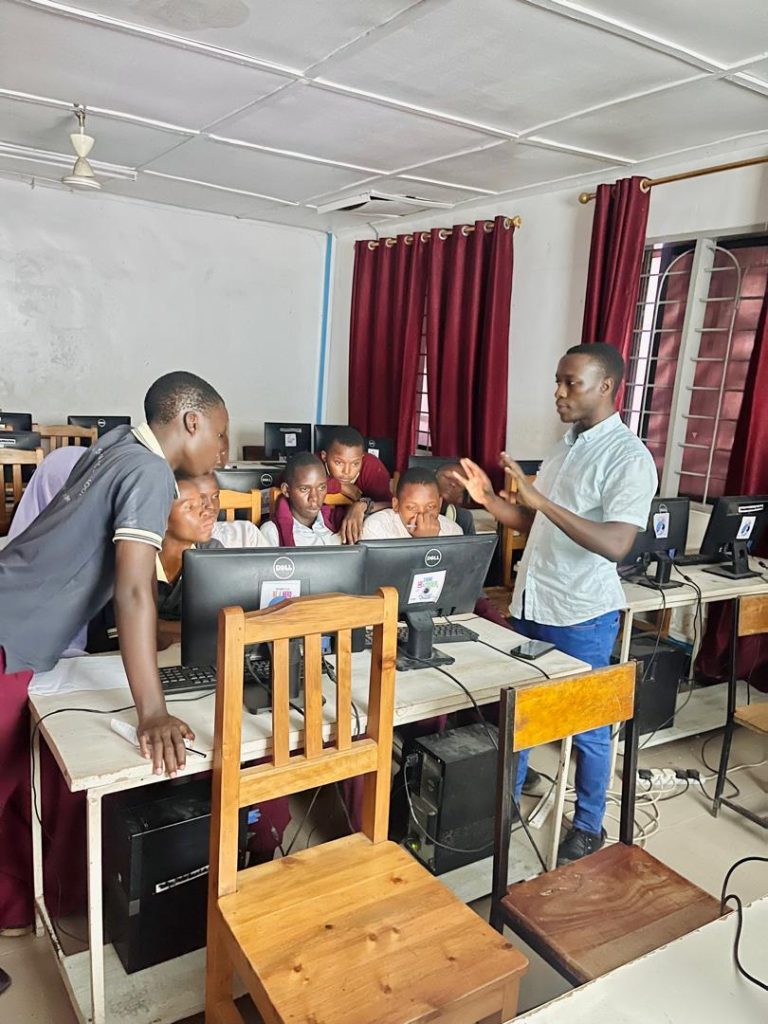
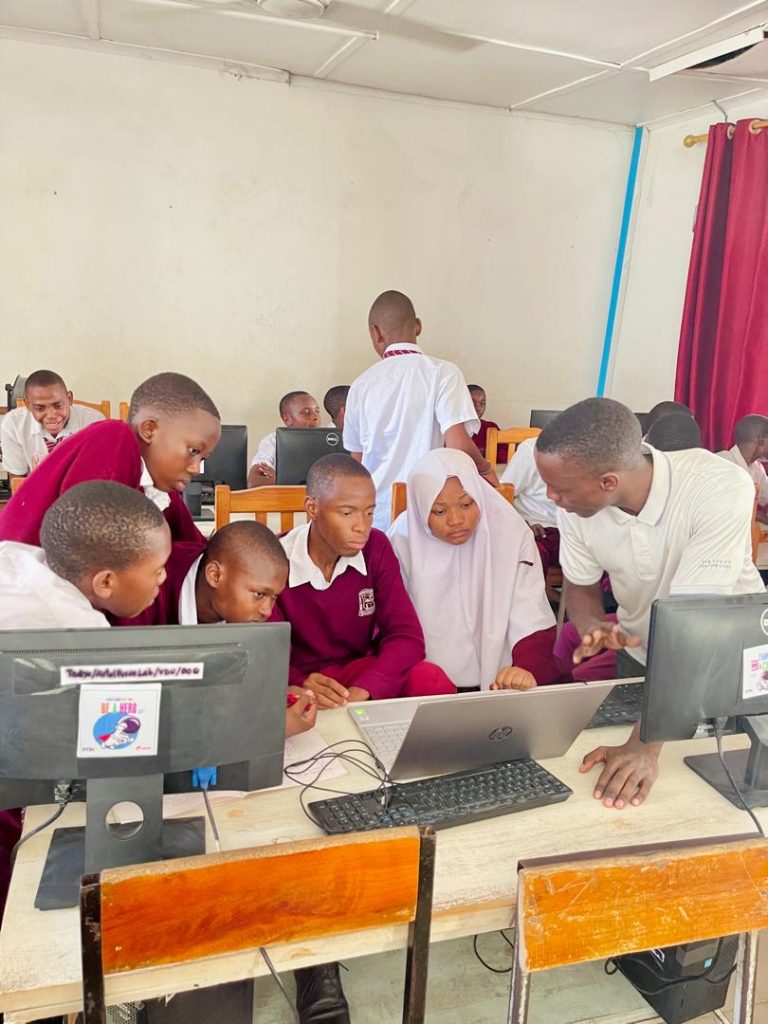
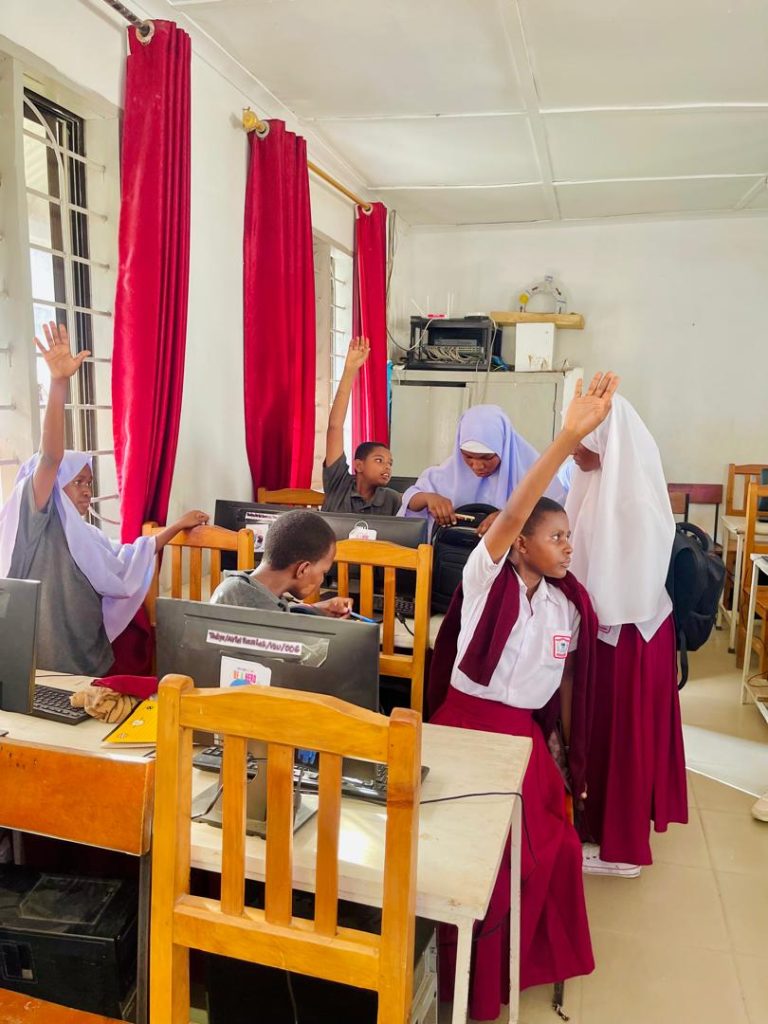
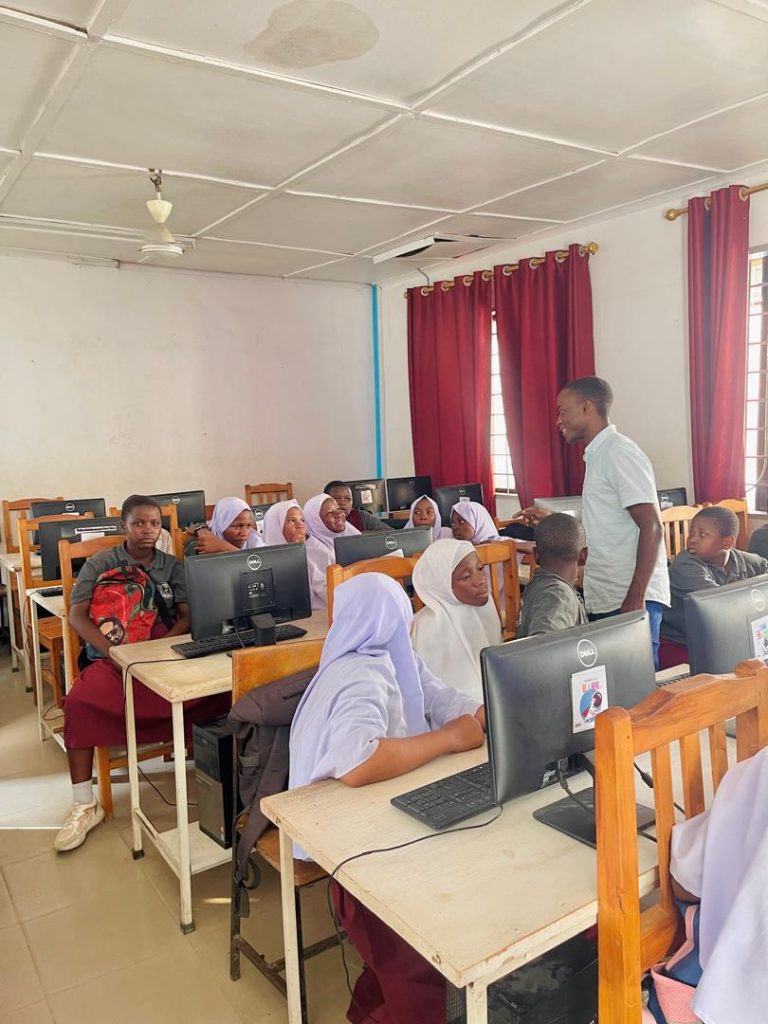
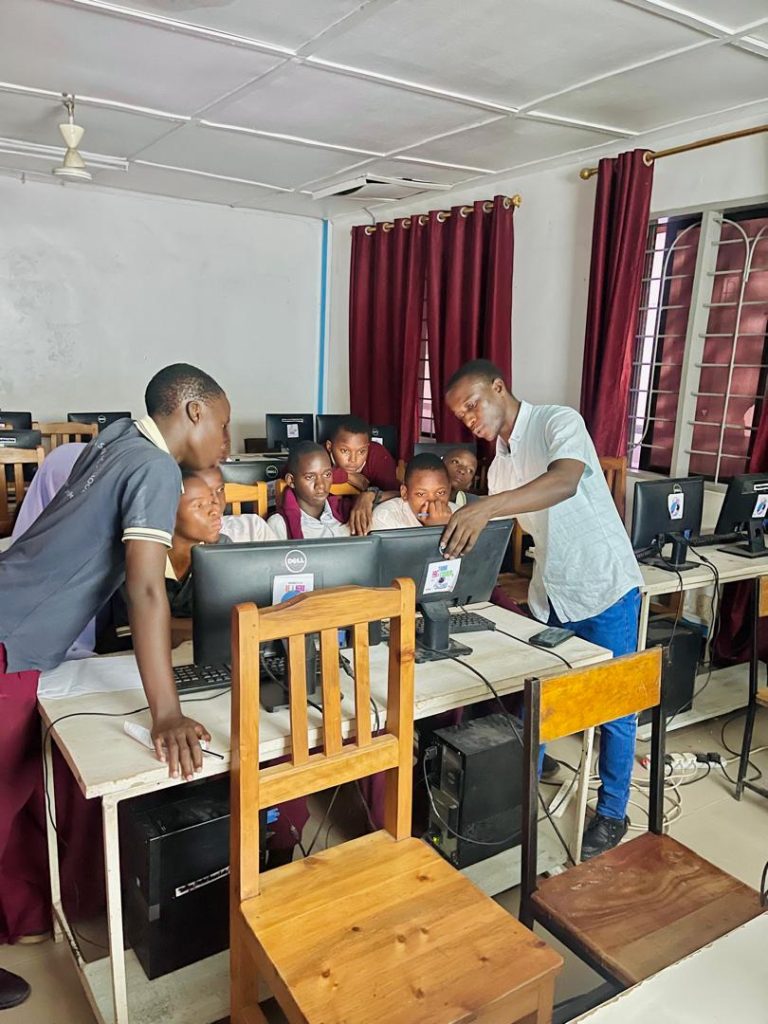
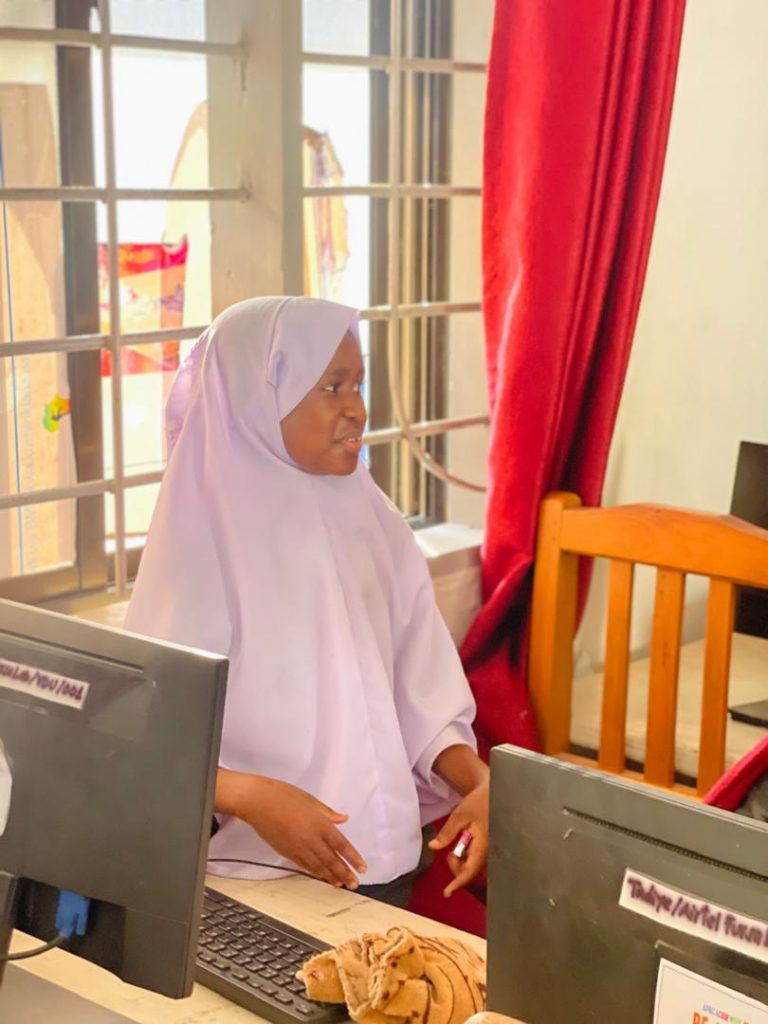
At Kijitonyama Secondary School, we have been consistently engaging learners through this club, creating a space where students come together to explore, practice, and apply digital skills in a collaborative environment.
Through the Innovation Club:
- Learners are introduced to foundational coding concepts through guided sessions
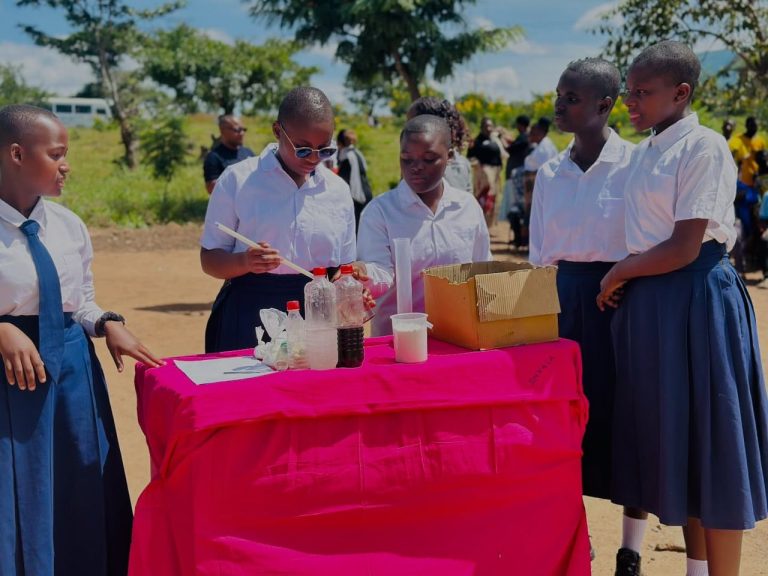
- They participate in hands-on activities where they build simple digital outputs
- They engage in peer learning, sharing ideas and supporting one another
- They begin to see technology not just as users, but as creators and problem solvers
This model helps bridge the gap between digital access and meaningful digital engagement, while also building a sense of ownership and curiosity among learners.